by admin
Share
by admin
Share
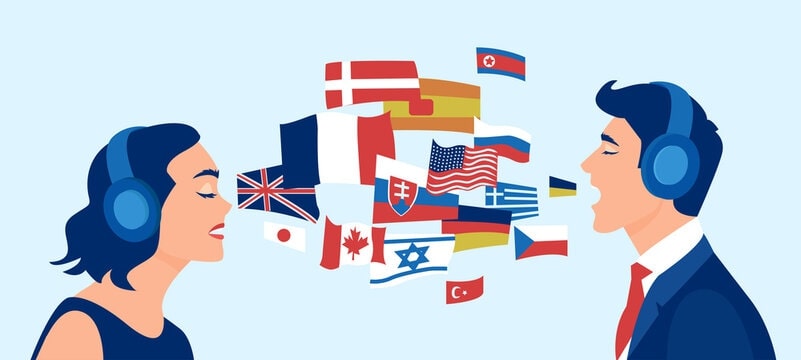
In today’s globalized world, effective communication is essential for successful business relationships, international cooperation, and cross-cultural interactions. As Vietnam continues to expand its international presence, the demand for professional Vietnamese interpretation services is increasing across various industries.
Whether you are an international business looking to communicate with Vietnamese partners, a foreign investor attending meetings in Vietnam, a healthcare professional assisting Vietnamese-speaking patients, or an organization hosting a multilingual conference, professional interpretation can help overcome language barriers and ensure clear communication.
Vietnamese interpretation services connect people who speak different languages by accurately conveying spoken messages, ideas, and information. With the assistance of experienced Vietnamese interpreters, individuals and organizations can communicate confidently in business, medical, legal, technical, and other professional environments.
In this guide, we will explore what Vietnamese interpretation services are, the different types of interpreting available, their applications across industries, and how to choose the right Vietnamese interpreter for your needs.
1. What Are Vietnamese Interpretation Services?
Vietnamese interpretation services involve converting spoken communication between Vietnamese and another language, such as English, Chinese, Japanese, Korean, or French.
A professional interpreter listens to a speaker in one language and communicates the same message in another language while preserving its original meaning, tone, context, and intent.
Unlike translation, which focuses primarily on written materials, interpretation deals with spoken communication in real time or shortly after a speaker delivers a message.
For example, an American company may arrange a meeting with a Vietnamese manufacturing supplier to discuss product specifications, pricing, production capacity, and delivery schedules.
If the two parties do not share a common language, a Vietnamese-English interpreter can facilitate the conversation and ensure that both sides understand the information accurately.
Vietnamese interpretation services are commonly required for:
-
- International business meetings and negotiations.
-
- Conferences, seminars, and exhibitions.
-
- Factory visits and technical inspections.
-
- Medical consultations and hospital appointments.
-
- Legal consultations and administrative proceedings.
-
- Government and diplomatic meetings.
-
- Educational programs and professional training.
-
- Telephone and online video conferences.
-
- International trade and investment activities.
The primary purpose of interpretation is to make communication possible, accurate, and effective between people who speak different languages.
2. Why Are Professional Vietnamese Interpretation Services Important?
Vietnam has developed strong international relationships in business, manufacturing, technology, education, tourism, and investment.
As more international companies cooperate with Vietnamese organizations, professional language support has become increasingly important.
Here are some reasons why professional Vietnamese interpretation services are valuable.
Overcoming Language Barriers
Language differences can create misunderstandings and prevent people from exchanging information effectively.
A professional interpreter helps participants communicate clearly, reducing the risk of confusion during important conversations.
Supporting International Business Activities
Business discussions frequently involve complicated subjects, including commercial agreements, investment conditions, financial arrangements, and technical specifications.
A qualified Vietnamese interpreter helps international companies communicate with Vietnamese suppliers, customers, employees, and business partners.
Improving Medical Communication
Accurate communication is essential in healthcare environments.
Vietnamese medical interpreters help healthcare professionals communicate with Vietnamese-speaking patients about symptoms, medical histories, examinations, and treatment instructions.
Facilitating Legal and Administrative Communication
Legal and administrative procedures often involve specialized terminology and sensitive information.
Professional interpreters help participants understand discussions and communicate important details while maintaining impartiality and confidentiality.
Building Trust Between Different Cultures
Communication involves more than exchanging words. Cultural awareness and understanding are equally important.
An experienced interpreter helps bridge cultural differences by conveying the speaker’s intended meaning while respecting the communication styles of both parties.
3. Different Types of Vietnamese Interpretation Services
Vietnamese interpretation services can be provided through several methods, depending on the assignment, number of participants, communication environment, and client requirements.
Understanding these methods can help you select the appropriate interpreting solution.
3.1. Consecutive Interpretation
Consecutive interpretation is one of the most commonly used interpreting methods.
The interpreter listens while the speaker delivers a message and then communicates that message in the target language when the speaker pauses.
This method is particularly suitable for:
-
- Business meetings.
-
- Contract negotiations.
-
- Interviews and consultations.
-
- Medical appointments.
-
- Small conferences.
-
- Factory visits.
-
- Training sessions.
Example: Vietnamese-English Business Negotiation
An American company is discussing a potential partnership with a Vietnamese manufacturer.
The American representative explains the company’s requirements in English. The Vietnamese interpreter listens carefully and then conveys the information in Vietnamese.
The Vietnamese representative responds in Vietnamese, and the interpreter communicates the response in English.
This process allows both parties to discuss important business matters without needing to speak each other’s language.
3.2. Simultaneous Interpretation
Simultaneous interpretation involves converting a speaker’s message into another language almost immediately while the original speaker continues talking.
It is commonly used for:
-
- International conferences.
-
- Large seminars.
-
- Government meetings.
-
- Business forums.
-
- Multilingual exhibitions.
-
- International training programs.
Simultaneous interpreters often work in soundproof booths equipped with microphones and headsets. Participants listen to the interpretation through wireless receivers.
For example, an international conference in Hanoi may feature English-speaking presenters while Vietnamese participants listen to the Vietnamese interpretation through headsets.
This method is particularly useful for large events where uninterrupted communication is important.
3.3. Whispered Interpretation
Whispered interpretation, also known as chuchotage, is a form of simultaneous interpretation in which the interpreter quietly conveys the speaker’s message directly to one or a small number of listeners.
It is suitable for:
-
- Business delegations.
-
- International visitors.
-
- Small meetings.
-
- Factory tours.
-
- Private presentations.
For example, a foreign investor attending a Vietnamese business presentation may need a Vietnamese interpreter to whisper the interpretation into their ear while the presentation continues.
3.4. Telephone Interpretation
Telephone interpretation enables individuals who speak different languages to communicate through a telephone connection with the assistance of an interpreter.
This method is particularly useful when immediate language support is required but an in-person interpreter is unavailable.
Common applications include:
-
- Customer service calls.
-
- Business inquiries.
-
- Appointment scheduling.
-
- Initial consultations.
-
- General communication.
-
- International telephone meetings.
Telephone interpretation provides a practical solution for short conversations and situations where video communication is unnecessary.
3.5. Video Remote Interpretation
Video remote interpretation allows interpreters and participants to communicate through online video conferencing platforms.
It has become an increasingly useful solution for international organizations and individuals who need interpreting support without arranging physical meetings.
Common applications include:
-
- Online business meetings.
-
- Virtual medical consultations.
-
- Remote interviews.
-
- International training sessions.
-
- Online conferences.
-
- Cross-border customer support.
Video remote interpretation allows participants to communicate from different locations while receiving professional language assistance.
4. Vietnamese Language Combinations Available for Interpretation
Vietnamese interpretation is not limited to Vietnamese-English communication. Depending on project requirements and interpreter availability, services may be provided in several language combinations.
Vietnamese-English Interpretation
Vietnamese-English interpretation is widely used in international business, healthcare, education, tourism, and professional events.
Typical assignments include business negotiations, corporate meetings, factory inspections, medical consultations, and international conferences.
Vietnamese-Chinese Interpretation
Vietnamese-Chinese interpretation supports communication between Vietnamese and Chinese-speaking businesses, manufacturers, investors, and individuals.
It is commonly used in international trade, manufacturing, sourcing, logistics, and business negotiations.
Vietnamese-Japanese Interpretation
Vietnamese-Japanese interpreters help Japanese companies communicate with Vietnamese employees, suppliers, and business partners.
Common assignments include technical training, factory visits, investment discussions, and corporate meetings.
Vietnamese-Korean Interpretation
Vietnamese-Korean interpretation is useful for Korean companies operating in Vietnam and Vietnamese organizations working with Korean partners.
Interpreters may support manufacturing operations, business meetings, training programs, and international events.
Other Language Combinations
Depending on availability, Vietnamese interpretation may also be required for French, German, Spanish, Russian, and other languages.
When requesting an interpreter, always specify the source and target languages to ensure the appropriate language professional is assigned.
5. Industries That Require Vietnamese Interpretation Services
Professional Vietnamese interpreters work across many industries. Each industry has its own terminology, communication requirements, and professional expectations.
Business and International Trade
Business interpreting helps companies communicate with international partners and conduct commercial activities more effectively.
Common assignments include:
-
- Business negotiations.
-
- Investment meetings.
-
- Supplier discussions.
-
- Corporate presentations.
-
- Partnership agreements.
-
- International trade events.
-
- Market research interviews.
Practical example:
A European company visits Vietnam to evaluate a potential manufacturing partner.
A Vietnamese-English interpreter assists the company’s representatives during discussions with local management about production capacity, quality standards, pricing, delivery schedules, and business cooperation.
Manufacturing and Engineering
Vietnam is an important manufacturing destination for international companies.
Foreign engineers, technical specialists, and factory managers may need Vietnamese interpreters to communicate with local employees.
Typical interpreting assignments include:
-
- Factory inspections.
-
- Equipment installation.
-
- Technical training.
-
- Production process explanations.
-
- Quality control discussions.
-
- Workplace safety training.
-
- Engineering consultations.
Interpreters working in these environments should understand relevant technical terminology to ensure that instructions and explanations are communicated accurately.
Medical and Healthcare
Medical interpretation facilitates communication between healthcare professionals and Vietnamese-speaking patients.
Typical situations include:
-
- Hospital consultations.
-
- Medical examinations.
-
- Diagnostic discussions.
-
- Treatment explanations.
-
- Medical history interviews.
-
- Health insurance consultations.
For example, a Vietnamese patient receiving treatment overseas may need a Vietnamese-English interpreter to communicate with doctors and nurses.
Medical interpreters must understand healthcare terminology, respect patient confidentiality, and remain within their professional role.
Legal and Immigration
Legal interpretation requires accuracy, neutrality, and a strong understanding of specialized terminology.
Vietnamese interpreters may assist with:
-
- Lawyer-client consultations.
-
- Immigration interviews.
-
- Legal discussions.
-
- Administrative proceedings.
-
- Contract negotiations.
-
- Official appointments.
Certain legal settings may require interpreters to hold specific qualifications or meet authorization requirements under local regulations.
Tourism and Hospitality
Vietnam welcomes international tourists, business travelers, and cultural visitors.
Hotels, travel companies, tour operators, and tourism organizations may require Vietnamese interpreters to facilitate communication with international guests.
Services may include:
-
- Guided tours.
-
- Business travel assistance.
-
- Cultural exchange programs.
-
- Tourism conferences.
-
- Hospitality events.
-
- International visitor support.
Education and International Training
Educational institutions and international organizations frequently organize multilingual programs.
Vietnamese interpreters can support:
-
- Academic conferences.
-
- Student exchange programs.
-
- International workshops.
-
- Professional training.
-
- University meetings.
-
- Research presentations.
6. Essential Qualities of a Professional Vietnamese Interpreter
A professional interpreter needs more than conversational fluency in two languages.
Successful interpreting requires a combination of linguistic expertise, communication skills, subject knowledge, and professional ethics.
Here are some important qualities to consider.
Excellent Language Proficiency
A Vietnamese interpreter should have a strong command of both working languages.
They must understand different accents, expressions, speaking styles, idioms, and cultural references.
Subject-Matter Expertise
Specialized assignments require familiarity with industry-specific terminology.
For example, an interpreter working at a factory should understand manufacturing and engineering vocabulary, while a medical interpreter needs knowledge of relevant healthcare terminology.
Strong Listening and Memory Skills
Interpreters must process information quickly while maintaining accuracy.
They need to remember important details, including names, numbers, dates, technical terms, and key messages.
Cultural Awareness
Cultural differences can influence how people communicate, express opinions, and conduct business.
An experienced interpreter understands these differences and conveys the intended message naturally without changing the speaker’s meaning.
Professional Ethics
Professional interpreters must follow ethical principles, including:
-
- Accuracy and completeness.
-
- Impartiality and neutrality.
-
- Confidentiality.
-
- Professional conduct.
-
- Transparency when clarification is necessary.
These principles are particularly important in medical, legal, financial, and business environments.
7. How to Choose the Right Vietnamese Interpretation Service Provider
Selecting an appropriate interpreting provider can significantly influence the quality of communication during your assignment.
Before booking a Vietnamese interpreter, consider the following factors.
Check the Interpreter’s Experience
Ask about the interpreter’s professional background, language proficiency, qualifications, and previous experience.
If your assignment involves specialized terminology, choose someone with relevant industry knowledge.
Identify the Appropriate Interpreting Method
Consider the format of your meeting or event.
For example:
-
- Consecutive interpretation for business meetings and consultations.
-
- Simultaneous interpretation for large conferences.
-
- Whispered interpretation for small groups.
-
- Telephone interpretation for short conversations.
-
- Video remote interpretation for online meetings.
Consider Industry Specialization
A business interpreter may not necessarily be suitable for a medical or legal assignment.
Make sure the interpreter understands the subject matter and terminology relevant to your project.
Discuss Preparation Requirements
Professional interpreters benefit from receiving background materials before an assignment.
Consider providing:
-
- Meeting agendas.
-
- Presentation slides.
-
- Company profiles.
-
- Technical documents.
-
- Product information.
-
- Terminology lists.
Advance preparation helps interpreters become familiar with the subject and communicate more effectively.
Confirm Confidentiality and Service Conditions
Discuss confidentiality arrangements, scheduling, working hours, cancellation policies, and additional service requirements before confirming your booking.
A professional provider should explain these conditions clearly.
8. How to Prepare for a Vietnamese Interpretation Assignment
Proper preparation helps ensure that an interpreting assignment runs smoothly.
Whether you are organizing a business meeting, conference, factory visit, or online consultation, the following steps can improve the communication process.
Provide Assignment Details
Share the purpose of the assignment, location, schedule, participants, language combination, and expected duration.
Prepare Relevant Documents
Provide meeting agendas, presentations, technical information, and terminology lists in advance whenever possible.
Confirm the Interpreting Method
Make sure the interpreter understands whether the assignment requires consecutive, simultaneous, whispered, or remote interpretation.
Communicate Clearly
Speakers should use clear language, maintain a reasonable speaking pace, and avoid unexplained abbreviations.
Check Technical Equipment
For simultaneous and remote interpretation, test microphones, headsets, internet connections, and conferencing platforms before the event begins.
Allow Time for Interpretation
During consecutive interpretation, speakers should pause regularly so that the interpreter can communicate the complete message.
These preparation steps help improve accuracy and create a more productive communication environment.
9. In-Person vs. Remote Vietnamese Interpretation
One of the most important decisions when arranging Vietnamese interpretation services is choosing between in-person and remote interpreting.
Both options have advantages depending on your requirements.
| Criteria | In-Person Interpretation | Remote Interpretation |
|---|---|---|
| Location | Interpreter attends physically | Interpreter joins online or by phone |
| Communication | Direct interaction | Digital communication |
| Best for | Factory visits, conferences, negotiations | Online meetings, interviews, consultations |
| Travel | May require travel arrangements | Usually no interpreter travel |
| Equipment | May need microphones and headsets | Requires devices and stable connectivity |
| Flexibility | Depends on location and schedule | Often more flexible |
When should you choose in-person interpretation?
In-person interpretation is suitable when physical presence, direct interaction, or on-site assistance is important.
When should you choose remote interpretation?
Remote interpretation is a convenient option when participants are located in different cities or countries, or when an online meeting is sufficient.
Your choice should depend on the assignment’s objectives, communication format, technical requirements, and budget.
10. The Role of Technology in Modern Vietnamese Interpretation
Technology has changed how professional interpreting services are delivered.
Today, interpreters can work in physical meeting rooms, conference booths, telephone systems, and online environments.
Common tools include:
-
- Video conferencing applications.
-
- Telephone interpreting platforms.
-
- Digital terminology databases.
-
- Electronic note-taking applications.
-
- Professional microphones and headsets.
-
- Conference interpreting equipment.
-
- Secure document-sharing systems.
These technologies allow interpreting providers to support clients in different locations and accommodate various communication requirements.
However, technology is only a supporting tool. Accurate interpretation still depends on professional language skills, subject knowledge, concentration, and human judgment.
11. How Much Do Vietnamese Interpretation Services Cost?
The cost of Vietnamese interpretation services varies depending on the nature and complexity of the assignment.
There is no single standard price for every interpreting project because different assignments require different levels of expertise, preparation, and resources.
Several factors can influence the overall cost.
Language Combination
Some language combinations may require more specialized interpreters or additional coordination.
Interpreting Method
Simultaneous interpretation may involve additional equipment and interpreter coordination compared with a short consecutive interpreting assignment.
Assignment Duration
Pricing may depend on the number of hours, half-day or full-day arrangements, and whether multiple days are required.
Subject Complexity
Technical, medical, legal, and specialized business assignments may require interpreters with relevant professional knowledge.
Location and Travel
In-person assignments may involve transportation, accommodation, and other travel-related expenses.
Equipment Requirements
Large conferences may require interpreter booths, microphones, headsets, and technical support.
To receive an accurate quotation, provide your service provider with the language combination, date, location, interpreting method, expected duration, and assignment details.
12. Why Professional Vietnamese Interpretation Matters for International Communication
Professional interpretation is not simply about replacing words in one language with words in another.
It involves understanding the speaker’s message, preserving its meaning, and communicating it effectively across linguistic and cultural boundaries.
For international companies working with Vietnamese partners, professional interpretation can support:
-
- Clearer business discussions.
-
- Better understanding of technical requirements.
-
- More effective international negotiations.
-
- Improved communication with local employees.
-
- Smoother factory visits and inspections.
-
- More productive conferences and training programs.
For individuals, interpreting can provide important language support in healthcare, education, legal consultations, and other situations where accurate communication matters.
Choosing a qualified Vietnamese interpreter helps participants exchange information with greater confidence and clarity.
Frequently Asked Questions About Vietnamese Interpretation Services
1. What are Vietnamese interpretation services?
Vietnamese interpretation services involve converting spoken communication between Vietnamese and another language. They help people communicate effectively during business meetings, conferences, medical consultations, legal discussions, and other professional or personal interactions.
2. What is the difference between interpretation and translation?
Interpretation focuses on spoken or signed communication, while translation primarily deals with written materials.
Interpreters facilitate conversations and live communication, whereas translators work with documents, websites, contracts, reports, and other written content.
3. What languages are available for Vietnamese interpretation?
Common language combinations include Vietnamese-English, Vietnamese-Chinese, Vietnamese-Japanese, and Vietnamese-Korean. Other combinations may also be available depending on project requirements and interpreter availability.
4. Can I hire a Vietnamese interpreter for a business meeting?
Yes. Professional Vietnamese interpreters can assist with business meetings, contract negotiations, supplier discussions, factory visits, corporate presentations, and international trade activities.
5. Are remote Vietnamese interpretation services available?
Yes. Remote interpretation can be provided through telephone or video conferencing platforms, depending on the provider’s service capabilities.
It is suitable for online business meetings, interviews, consultations, and other remote communication activities.
6. How far in advance should I book an interpreter?
It is recommended to book as early as possible, particularly for conferences, simultaneous interpretation, specialized assignments, and projects requiring travel or technical equipment.
Early booking provides more time for interpreter selection and assignment preparation.
7. What information should I provide when requesting an interpreting quotation?
You should provide:
-
- Source and target languages.
-
- Date and time.
-
- Assignment location.
-
- Interpreting method.
-
- Expected duration.
-
- Subject matter and industry.
-
- Number of participants.
-
- Special requirements, if any.
These details help the provider recommend an appropriate interpreting solution and prepare a quotation.
Conclusion: Professional Vietnamese Interpretation for Clear and Effective Communication
As international business and cross-cultural cooperation continue to grow, professional Vietnamese interpretation services play an increasingly important role in connecting people and organizations.
Whether you need an interpreter for business negotiations, factory visits, medical consultations, legal discussions, international conferences, or online meetings, choosing the right interpreting solution can make communication more accurate and productive.
A professional Vietnamese interpreter brings together language proficiency, cultural awareness, subject-matter knowledge, and ethical responsibility to help participants understand one another.
If you are looking for Vietnamese interpretation services, Vietnamese Interpreter Services can help you explore language support solutions based on your communication needs.
From Vietnamese-English consecutive interpretation to simultaneous conference interpretation and remote interpreting, our team can assist you in identifying the right service for your project.
Contact Vietnamese Interpreter Services today to discuss your requirements and request a quotation.
Vietnamese Interpreter Services – Bridging Language Barriers, Connecting People and Businesses.
STAY IN THE LOOP
Subscribe to our free newsletter.
Leave A Comment

Trong bối cảnh giao lưu quốc tế ngày càng phát triển, nhu cầu dịch thuật tiếng Việt sang tiếng Anh và tiếng Pháp ngày càng phổ biến. Từ hồ sơ du học, tài liệu doanh nghiệp, hợp đồng, website cho đến tài liệu chuyên ngành, mỗi ngôn ngữ đều có những yêu cầu riêng về

Bạn yêu thích tiếng Pháp, mong muốn làm việc trong môi trường quốc tế và đang tìm kiếm một nghề nghiệp có thể phát triển lâu dài? Biên dịch viên tiếng Pháp là một lựa chọn đáng cân nhắc dành cho những người có niềm đam mê với ngôn ngữ, khả năng diễn đạt tốt
Trong thời đại hội nhập quốc tế, nhu cầu giao tiếp giữa người Việt Nam và người nước ngoài ngày càng tăng. Từ các cuộc họp kinh doanh, hội nghị quốc tế đến những buổi tư vấn y tế và pháp lý, phiên dịch viên đóng vai trò quan trọng trong việc giúp các bên

Trong thời đại chuyển đổi số và hội nhập quốc tế, Công nghệ thông tin (IT) đang trở thành một trong những lĩnh vực phát triển mạnh mẽ nhất trên thế giới. Các doanh nghiệp công nghệ, tập đoàn đa quốc gia và tổ chức quốc tế thường xuyên hợp tác, trao đổi thông tin